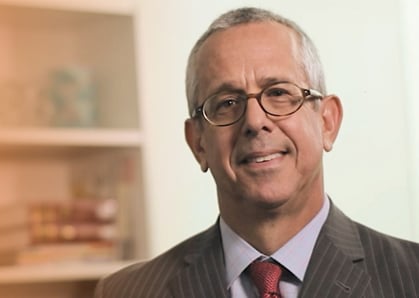
Attorney Addresses U.S. Secretary Of Commerce
Miami, Florida, September 22, 2006 Bilzin Sumberg attorney Howard E. Nelson gave comments and testimony last week to U.S. Secretary of Commerce Carlos Gutierrez. Mr. Nelson addressed Gutierrez on September 15th, on behalf of the Builders Association of South Florida, a local affiliate of the National Association of Homebuilders, concerning proposed changes to President Bush's "Cooperative Conservation" initiative, which came into existence with a Presidential Executive Order signed on August 26, 2004.
"The Cooperative Conservation program encourages private landowners to give land in an effort to build partnerships that will increase the ability to assemble valuable conservation lands. This makes much more sense than having the government pay for the land in an eminent domain or inverse condemnation suit, or lose the land outright to development," explained Mr. Nelson.
"Making the necessary changes to current laws in order to better facilitate the program would also save millions in legal fees and wasted taxpayer dollars by averting potential lawsuits," he added.
Mr. Nelsons remarks included the need for substantive regulatory reforms of the Endangered Species Act, as well as Section 404 of the Clean Water Act.
"These changes are critical if the President wishes to meet his goals and have the Cooperative Conservation plan succeed," said Mr. Nelson.
Currently, the regulatory process involves consultation with resource agencies, but without any guidelines as to when the process should end. The reforms Mr. Nelson suggested included the creation of specific timeframes in which the consulting process would take place.
The reforms are geared toward speeding up the process for developers to obtain permits for land that is not included in the conservation area, and would also reduce the amount of time needed to obtain conservation lands. In exchange for private property owners giving land towards conservation efforts, they would be able to develop usable land at a more reasonable pace, without the delays often associated with the permitting process.
"An accelerated process would be an added incentive for landowners, who would be able to build and make use of their investments more rapidly," Mr. Nelson observed.
"However," he added, "state and federal regulatory agencies would need to shift their focus to the more important aspects of this process, and leave the non-critical aspects to local agencies."
Howard E. Nelson is a Partner in the Environmental and the Land Use & Government Relations Groups at Bilzin Sumberg. He has extensive experience in representing clients in complex wetland matters, including issues related to protected and sensitive wetlands and preservation efforts. He was instrumental in the drafting of Floridas new Wetlands Uniform Mitigation Assessment Method, and he focuses a substantial portion of his practice on assisting property owners in navigating the maze of local, state and federal wetland permitting.
About Bilzin Sumberg
Bilzin Sumberg is a commercial law firm based in Florida. The Firm’s core practices include Business Finance & Restructuring, Corporate, Environmental, International, Land Development & Government Relations, Litigation, Real Estate, and Tax. For more information, please visit bilzin.com.