How Bilzin Sumberg Helped Bring the World Cup to Miami
For more than two years, Bilzin Sumberg worked quietly, and extensively, on providing comprehensive legal guidance to support the organization, development and execution of marquee events of massive scale for the FIFA World Cup 2026 Miami Host Committee.
Named an official Miami World Cup 2026 host city supporter, the Second Hundred firm advised on a range of matters critical to the global tournament, including organizational structure, contracting, host city supporters regulatory compliance and event-related legal frameworks.
Also, Albert E. Dotson, Jr., Bilzin Sumberg's chief executive officer and managing partner, serves on the board of directors for the Miami Host Committee.
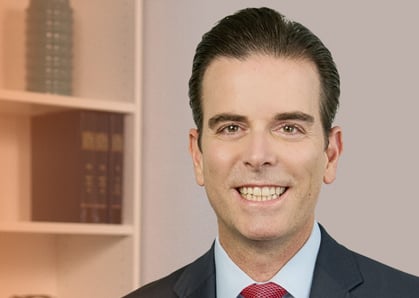
"It's rare to see an interaction between your profession and one of your passionate hobbies, and for me, this is that opportunity," said David M. Seifer, practice group leader for the firm's corporate and finance group. "We took this and ran with the ball—or in this case, dribbled the ball."
A majority of the work done was corporate work, Seifer said, including negotiating major rights agreements with FIFA, as well as dealing with what are called host city supporters—the businesses in the community that are making large financial contributions in exchange for benefits like intellectual property branding rights and the ability to use the logos—as well as Host City Donors, which are also organizations from the community that are willing to donate money in exchange for certain things, but typically not in exchange for intellectual property rights.
Bilzin Sumberg also coordinated negotiations with the county and the cities, including Miami-Dade County, which was the lion's share of the public funding, Seifer added, and Miami Beach and the City of Miami and Broward County.
"Part of the fun of what we did was really becoming involved not just as a legal counsel, but as we saw it, a value add to what the host committee was doing to bring our commercial business law experience to the table to help them," Seifer said.
Some 10 to 12 attorneys across different practice groups aided in corporate, tax, public-private partnerships and land use, and government affairs work. But at its core, it was a team of four corporate attorneys.
"The negotiations with FIFA were very extensive ... and the collaboration with the local governments was essential to the whole process, because quite simply, none of this would have been possible without their support. Miami-Dade County was an outstanding partner throughout. We worked closely with the county, and they came to the table with meaningful in-kind contributions and financial support that helped make this event a reality for the community," Seifer said.
"Dealing with other of the host city supporters ... was really important, because that's where the big commercial dollars came from, from the community. Without the government money, and these local big community businesses stepping up, this type of thing wouldn't happen. We wouldn't have a fan fest that goes 23 days, where on the kickoff day there were 44,000 people."
*This was republished with permission from the Daily Business Review. Click to access the publication.